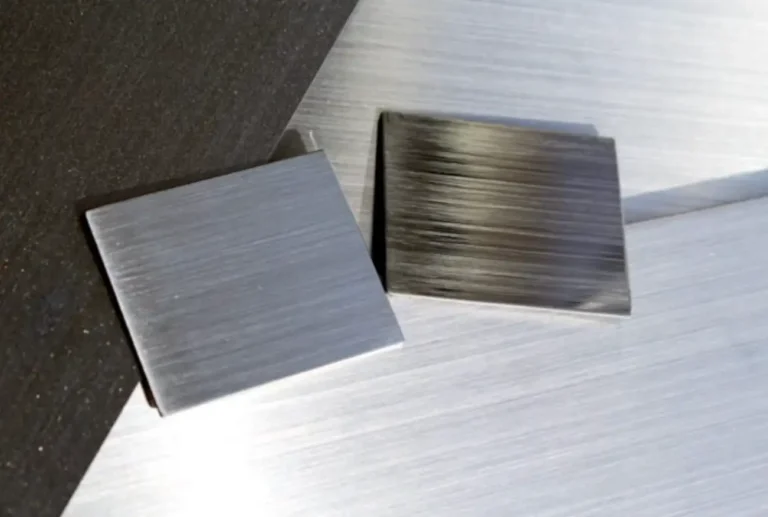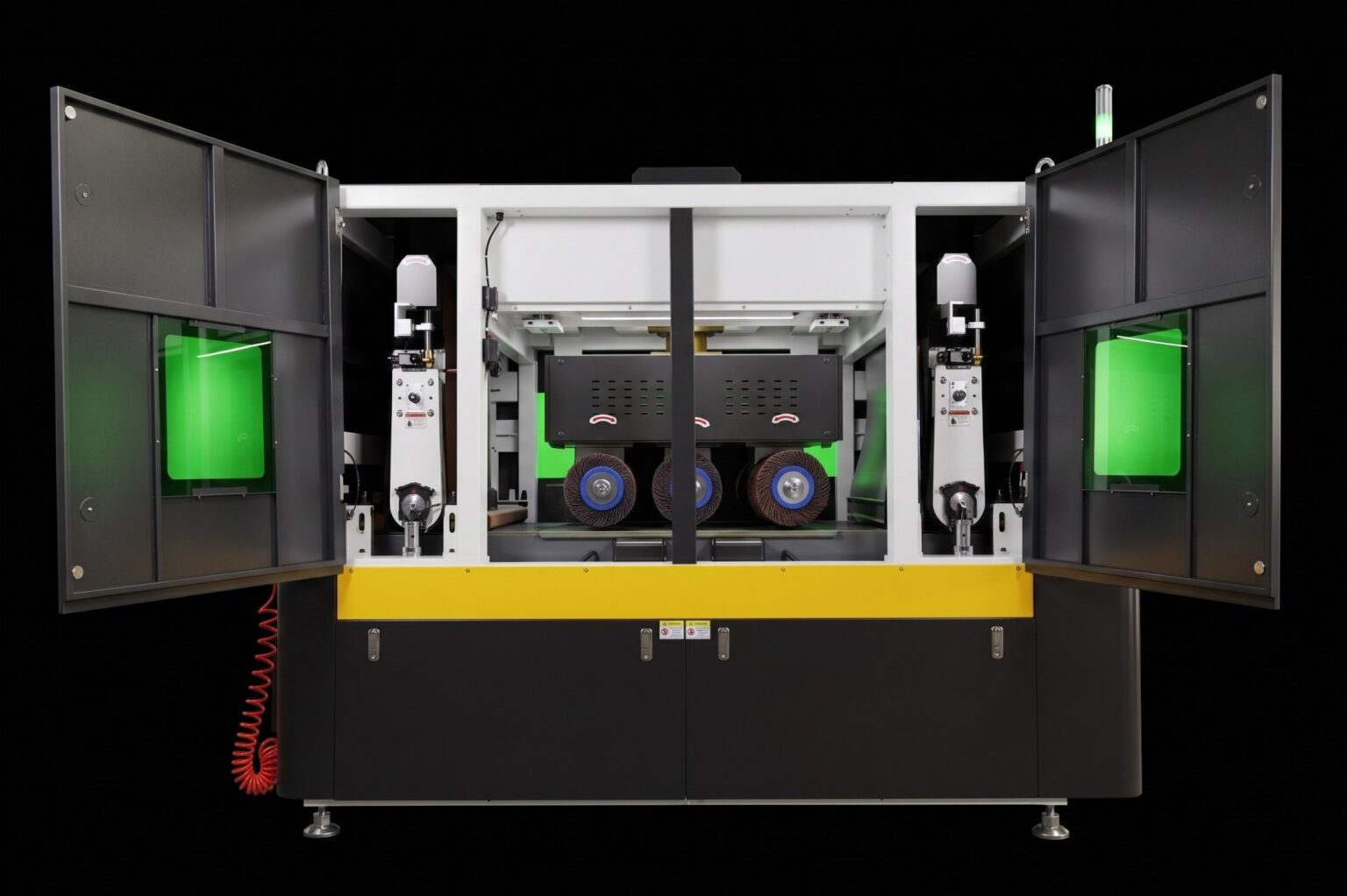
Initiating at in-depth inspection regarding self-operating equipment engineered optimized for burr removal possess upgraded industrial activities, ensuring prominent advancements towards pace and quality. Our overview explores the distinct types of automatic deburring equipment, incorporating scouring polishing machines, oscillating units, and sophisticated robotic solutions. We will outline the positives of using this equipment, including cut personnel needs, improved component reliability, and upgraded manufacturing efficiency.
Rim Finishing Systems: Correct Completing Explained
Profile filleting units offer a advanced solution for obtaining spot-on finalizing on parts. In contrast with manual procedures, these self-operating systems provide steady returns and dramatically elevate production productivity. These devices usually adopt mixed cutting tools like diamond blades, refining wheels, or custom forms to reduce sharp rims and roughness. That function is pivotal in a ample set of markets, containing flight and instrumentation.- Advance coating caliber
- Lessen workshop spending
- Expand turnover and operation
Waste Clearing Equipment: Obtaining Clean, Exceptional Layers
Recent foundry routines habitually create significant amounts of slag, a byproduct that, if ignored, can severely reduce the standard of the end result. Fortunately, advanced scraping systems offer a reliable solution. These focused machines, employing techniques like polishing, are designed to carefully eliminate this unwanted material, ensuring a clean and exceptional surface. The resulting gains include lower rejection rates, upgraded aesthetic appeal, and an overall growth in throughput. By utilizing pioneering slag removal technology, manufacturers can consistently deliver elite surfaces and fulfill stringent measures.
Sheet Metal Enhancement: The Benefits of Deburring Mechanisms
Reaching a leading coating on sheet metal parts is fundamental for durability, and deburring mechanisms present meaningful strengths over manual methods. Getting rid of burrs efficiently not only elevates the visual quality of the entity, but also minimizes conceivable problems during production and application. Also, precise deburring operations boost assembly speeds and curtail operator outlays.
Advancing Sheet Metal Production with Automatic Deburring
In order to raise efficiency in sheet metal assembly, utilize automated deburring tools. Traditional deburring is commonly lengthy and prone to irregularities. Moving to robotic deburring affords remarkable benefits, like diminished labor costs, enhanced manufacturing caliber, and enhanced cycle times. These commitments could rapidly deliver value.Identifying the Appropriate Deburring Machine for Your Process
Ascertaining the prime deburring unit for your dedicated needs is a detailed assessment of several aspects. Primarily, examine the form of input you're working with – the metal requires unique techniques than polymer. Following that, review the extent and design of the sections needing surface refinement. Ultimately speaking, think about your production volume; a large-scale operation requires a alternative type of setup than a small-batch one. Neglecting to address these points can lead to suboptimal results and higher costs.
Edge Unit Method: Progressions and Enhancements
Contemporary edge trimming device method is witnessing rapid change, driven by the challenges for greater fineness and competence in operations workflows. Significant shifts contain the embedding of intelligent solutions for elastic burr removal procedures, alongside developments in abrasive device. We're besides noticing a growth in small-scale burr removal devices designed for focused operations, and cutting-edge processes like thermal finishing are gaining acceptance. The prospect demonstrates towards heightened communication of finishing apparatuses within the connected production center atmosphere.
Improving Non-ferrous Component Strength with Border Polishing
Many making processes for metal parts introduce sharp edges, which can produce stress points and shortcomings that reduce overall integrity. Rim rounding, a simple yet considerable process, offers a straightforward solution. It incorporates slightly smoothing the jagged edges of a piece during the construction stage. This minimizes stress clusters, enhances performance resistance, and can stop damaging. Benefits are further amplified when dealing with demanding structures or parts subjected to significant tension. Considerations include the relevant blend of the softened edge and its impact on joining with other sections.
- Minimizes Stress Spots
- Raises Wear Strength
- Thwarts Chipping
Waste Separation vs. Deburring : Grasping the Discrepancies
As many technicians use the labels “slag processing” and “deburring” synonymously, they denote distinct approaches in metal industrial methods. Bur remission focuses on cutting away the sharp, often tiny, burrs created during machining operations—these are excess fragments of non-ferrous left on the segment. Residuum removal, conversely, addresses a remnant – typically a concoction of residues – that manifests during processes like welding. Essentially, deburring deals with leftover rims, while slag extraction deals with that Automatic Deburring Machine scrap of a unrelated approach. In essence, intelligent deburring and slag removal machines are crucial components of modern metal manufacturing that provide superior finished products with lowered defects and improved efficiency.Wrapping up the examination reiterates the key role of cutting-edge automated deburring technologies in transforming fabrication criteria and enabling businesses attain improved productivity and excellence.