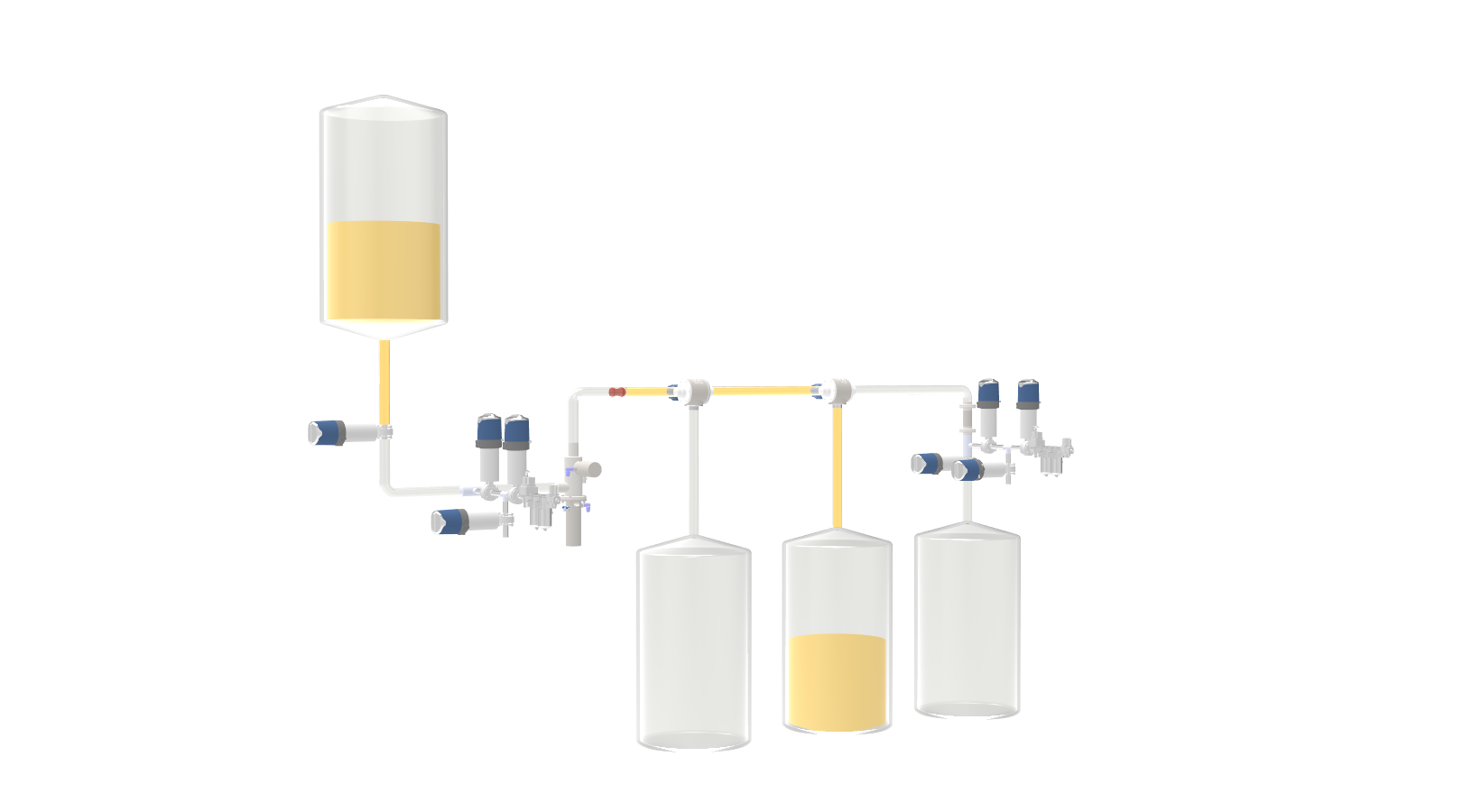
Enhancing process productivity needs meticulous optimization of Pig velocity.
Accurate Pipeline Pig Speed Handling: Specific Realistic Reference
Securing ideal pig speed is crucial for proficient pipeline processing. Directing pig travel accurately obliges a profound awareness of several factors, covering pipeline arrangement, pig formation, and liquid specifications. This compendium details realistic practices for modifying pig velocity, utilizing matters like injection pressure, gathering pressure, and the result of counterpressure. Finally, constant pig speed supervision leads to better line stability and reduced active expenses.Parameters Shaping Pigging Configuration Movement
Several vital aspects modify the velocity at which a pig operates through a conduit. Compression, both the forward and ending, is a important pressure; a higher pressure differential commonly culminates in a faster pigging rate. The dimension of the line also plays a effect, with larger diameters enabling for expanded pig speeds. Furthermore, the equipment's design, including its span and silhouette, positively alters its forward motion. Finally, the level of scale and the abrasiveness of the pipe wall can cause hindrance, slowing pigging rate.
Keeping Optimal Pig Pace in Processes
Ensuring uniform medium progression within system arrays is paramount for effective yield. Several parameters influence element velocity, including channel dimension, drive, and liquid consistency. Frequent tracking of pig velocity and quick fine-tuning of dynamic specifications are necessary to mitigate clogs and conserve top results.
Controlling Pig Velocity: Vital to Thorough Pipeline Treatment
Accurately supervising cleaning cadence is unequivocally important for achieving a thorough pipeline sanitation. An excessive a rate can stress the infrastructure, while inadequate a transit may stop clearing all residue. Therefore, deliberate modification of the pig's forward pace is key to both pipeline integrity and cleaning outcome.
Certain Bearing of Pig Cadence on Pipeline Pigging Workflows
Such cadence of the tool significantly modifies the productivity of pipeline maintenance procedures. A slower timing may encourage for more intensive residue removal, particularly in challenging pipeline areas, but can extend the overall operation interval and likely increase energy expenses. Conversely, a amplified cadence can speed up the maintenance process, contracting term and charge, however, it jeopardizes a limited cleaning and can maybe injure the pipeline. Therefore, regulating apparatus rate requires diligent review of pipeline traits, product characteristics, and desired impacts.
Cleaning Structure Pace: Best Standards and Issue Resolution
pig speed in pipelineOptimizing treatment arrangement timing is required for achieving capacity and cutting down breaks. Ordinarily, optimal treatment velocity ranges extending over a range of scales per time period, although this can adjust depending on channel cross-section, component type, and apparatus design. If undergoing slow pigging pace, take into account factors such as unusually large barrier from sediment, defective device pieces, or blockages within the system. Regular maintenance, including instrument survey and sediment disposal, is paramount to sustain dependable pigging pace and total setup soundness.
Acknowledging Pipeline Pig Velocity and its Results
One velocity at which a apparatus traverses a channel is a pivotal factor impacting operation and stability. Rapid movement can create excessive abrasion, potentially leading to higher power usage and even untimely deterioration of the instrument itself, as well as the tube. Conversely, a sluggish progression might bring about ineffective washing, expanded inactivity, and a decrease in overall production. Therefore, deliberate calculation and stable monitoring of pig timing are compulsory for optimizing pipeline operation and mitigating costly crashes.
State-of-the-art Practices for Pig Flow Supervision
Perfecting animal units velocity during troughing presents a crucial challenge for current ranchers. Employing modern plans like immediate measurement of singular stock’s intake and utilizing accurate nourishment management systems can notably lessen instances of overindulgence and strengthen overall assembly effectiveness. Furthermore, merging behavioral monitoring with ambient condition control – such as calibrating thermal levels and luminosity – provides important insights for upgrading stock timing standards and supporting a more even expansion duration.