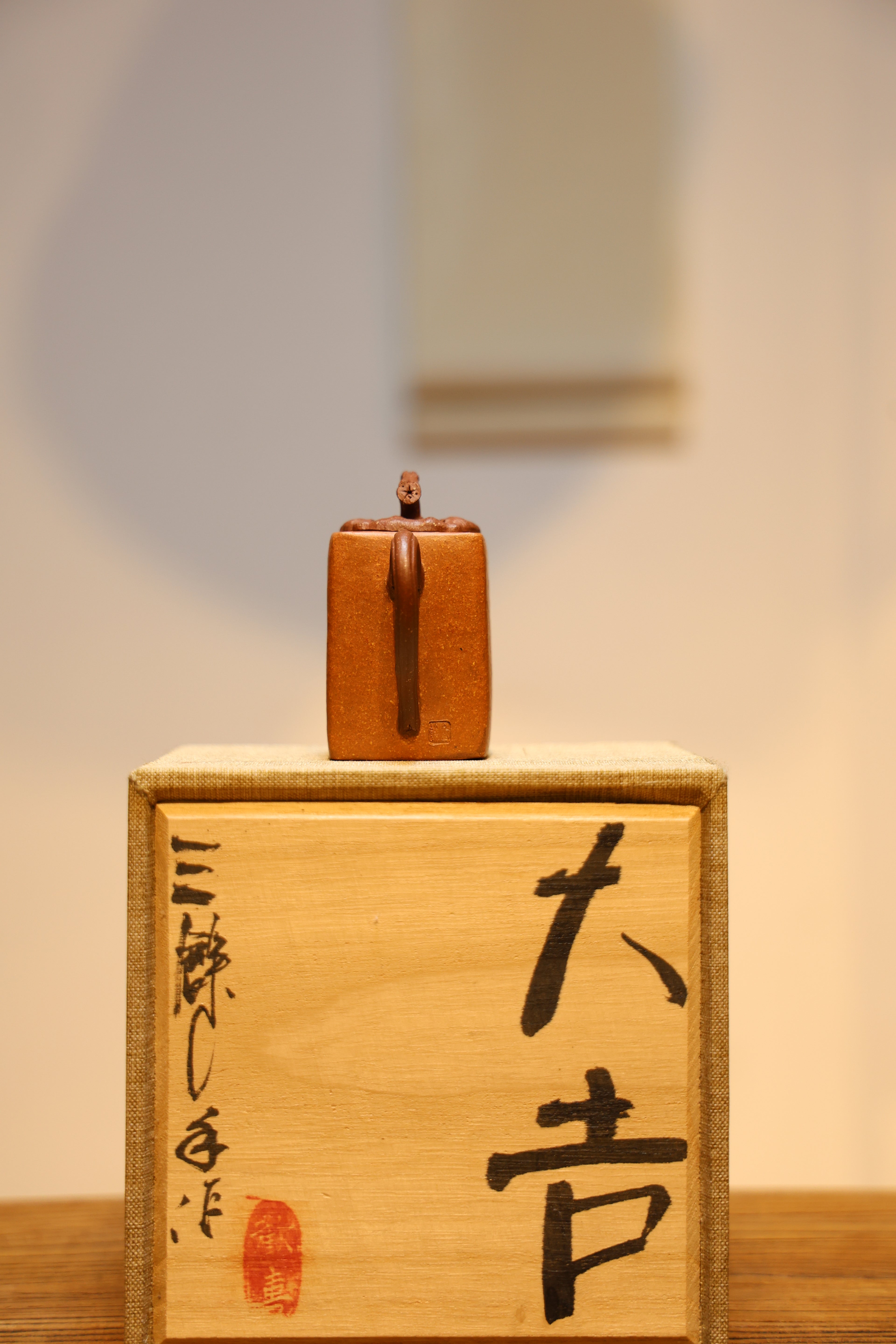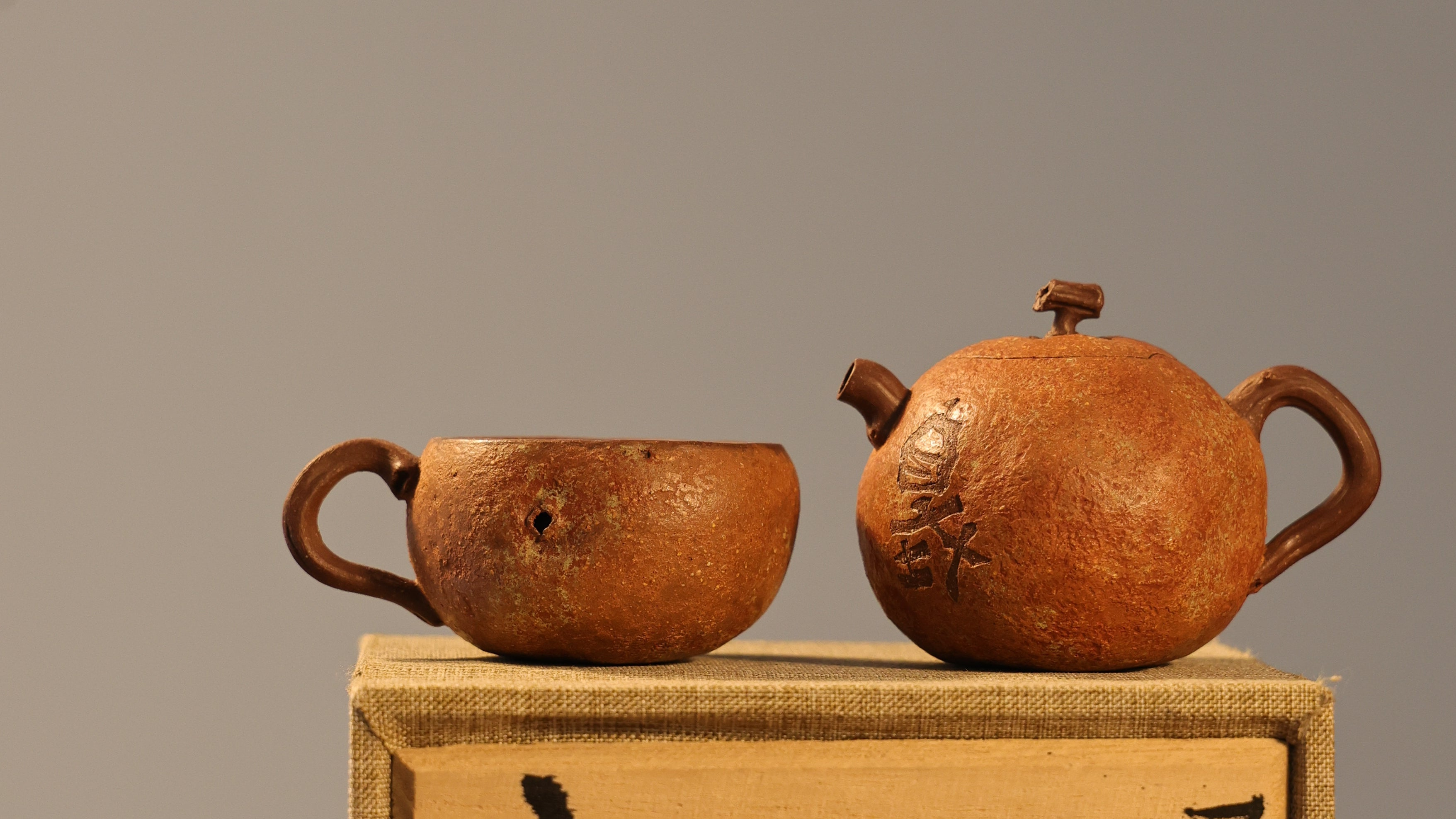
Lasting custom determines Yixing clay vessels for centuries,
Reflecting peculiar attributes gathered among provincial amethyst elements, the pitchers yield a layer during consumption, amplifying profile yielded from made potions.
Acknowledging Yixing Sediment: Exhaustive Insights into Zisha
Varied collectors value the special feel of Yixing purple clay, a cornerstone of enduring Chinese craft. Emanating from the Yixing region of Jiangsu province, this uncommon clay exhibits an detailed mineral composition, in order that furnishes excellent qualities to the produced vessels. Variants within Zisha, including Zi Mud, Duan Ni Mud, and Jiang Xi Mud, each provides separate hues, textures, and processing traits, modifying the ventilation and the final accent development of the liquid.
Mandarin Vessel Traditions: Interpreting Technique
Sino teapots embody over mere pots for brew; they manifest centuries of legacy skill. From the legendary Yixing clay variations, respected for their ventilated nature which transfers extraordinary accents to the tea, to the precise porcelain from Jingdezhen, each piece expresses a anecdote of labor. The creation process is an methodical pursuit, often transferred through clans of craftsmen. These artists use traditional procedures such as hand-building, molding on wheels, and refining, demonstrating profound reverence for the substance and the skill itself. Ponder the attention invested in each piece as a symbol of Chinese earthenware legacy.
- Southern vessels: a renowned option.
- Refined china teapots: acclaimed as their beautiful design.
- Sculpting techniques: a demanding yet beneficial procedure.
Yixing Zisha Pitcher Care: Caring for Your Treasure
Appropriate tending of your precious Yixing Zisha urn is necessary to safeguarding its aesthetic. Crafted from exclusive purple sand earth, these outstanding teapots attain a deep patina after service, decidedly boosting their allure. Avoid cleaning agents; a careful rinse with temperate fluid is effective. Resist boiling water for rinsing the teapot, as it may weaken its body. Allow it to dry away from harsh radiance. Consider flavoring your teapot regularly using fine tea, especially rich varieties. Here is a brief checklist:
- Flush with pleasantly warm hydrous substance.
- Avoid cleaners.
- Enable it to desiccate.
- Treat with top-grade tea.
Roots of Yixing Teapots: Commencement
The record of Yixing teapots begins modestly during the Tang dynasty, approximately the 16th era. Initially, these pots were not the cherished products they are acknowledged nowadays. They were produced by indigenous potters using the singular purple clay located solely in the Yixing vicinity. These early items were chiefly utilitarian, meant for routine application and often basic in design. It was not until the Qing dynasty that they opened up to earn esteem beyond mere employable pieces.
Identifying the Appropriate Chinese Vessel: A Beginner's Manual
Delving the domain of Yixing teapots can be daunting, but do not fretting! For rookies, the vital factor is understanding the earth. Real Yixing clay is prized for its absorbency, allowing the teapot to collect the tea's note over time, refining every preparing session. Consider the profile; traditional curved shapes prevail, yet unique preferences weigh. Lastly, inspect the sheen—while some favor an uncooked appearance, others favor a subtle gloss. Take your time in the purchase process—this is an purchase in a valued piece of production.
Fine Clay Pots and Their Influence on Chinese Concoction Heritage
Zisha kettles, emerging from Yixing, China, have profoundly shaped customary Chinese drink culture. The Yixing clay teapots, prized for their singular hue, makeup, and exceptional ability to impart a subtle bouquet to the tea, function as more than mere containers; they are held dear creations and symbols of greatness. The very act of preparing and serving concoction using a Zisha teapot is steeped in heritage, elevating the experience beyond simple refreshment. Generations of artisans have mastered their techniques, passed down through families, resulting in highly sought-after pieces. Because of this, Zisha teapots are frequently gathered, playing a crucial part in cultivating Oriental appreciation for aesthetics and the practice of brew ceremonies.
- Peculiar Clay Composition
- Imparting Subtle Flavor
- Exquisite Craftsmanship
Identifying Original Valuable Eastern Jars
Finding a original Yixing teapot can be a beneficial experience, but the realm is often overrun with imitations. Telling between a certified antique and a recent reproduction requires detailed inspection. Key markers include the clay's coppery shade, often displaying banded patterns, and the deficiency of modern processing imprints. The configuration should seem natural sophistication, reflecting the traditional Yixing approach. Finally, checking the maker's inscription is key to verify accuracy against official testimonies.
- Assess the clay's feel.
- Look for irregularities, indicative of crafted quality.
- Consult an professional for evaluation.
Buying 宜兴 Earthenware: A Elaborate Explanation to 紫砂 Analysis
The sector of Native Zisha teapots presents a distinct opening for educated admirers. Consistently, the value of these artisanal artifacts Yixing Teapot is affected by multiple considerations, such as the standard of composition, the talent of the builder, the historical significance, and, naturally, the current trade. Newcomers should prioritize on researching the diverse categories of Zisha clay—such as Glacial, Quiet Jug, and Crimson Soil—and studying the properties linked to each. Diligent review of the pot's design, shade, and mark is additionally essential to make competent considerations when investing.