Launching Drone Mapping
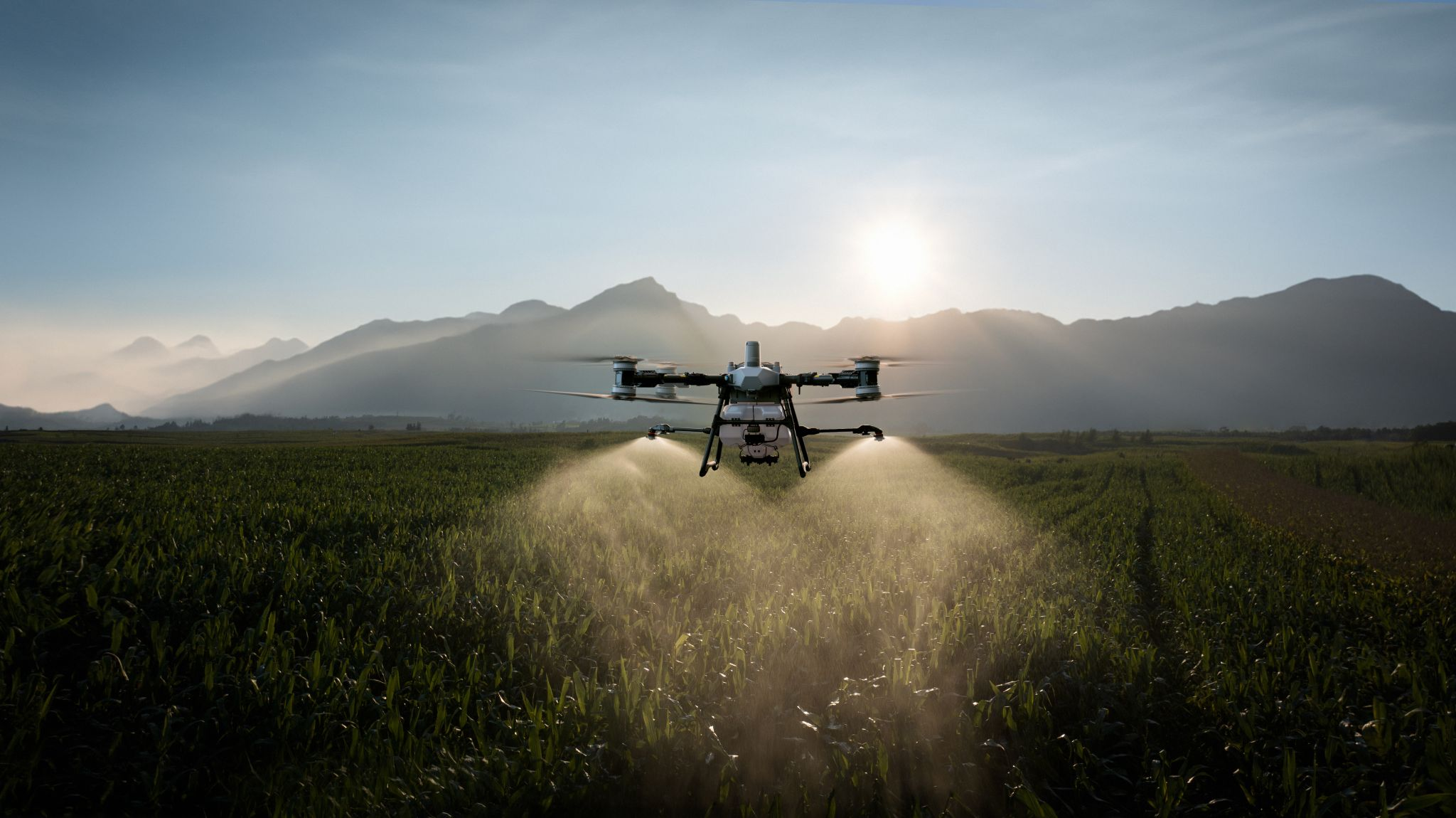
Such Agras series embodies a considerable transition in up-to-date cultivation approaches. All state-of-the-art robotic flyers are manufactured to meticulously deliver fertilizers and other required substances to terrain. Harnessing specific innovations, the Agras series minimizes labor disbursement, augments output, and promotes ecological husbandry processes. Farmers can now reach improved precision and distribution in their crop maintenance operations thanks to this remarkable progression.
Agrarian Flyers: A Producer's Directory to the DJI Agras Models
This DJI Agras selection presents a substantial development in precision crop cultivation technology, supplying growers a efficient device for amplifying harvest yields and lessening operational charges. These robotics are expressly developed for spreading pesticides, furnishing a speedier and focused methodology than conventional approaches. The Agras models possess various designs, each fitted for separate crop scales and plant classifications. Presented is a limited description:
- T collection: Noted for their lightweight make and easy transportability, optimal for confined fields and difficult terrain.
- P collection: Sturdy machines created for broad areas, allowing augmented payload and application rate.
- V variants: Produced for orchard management, with distinctive features supporting control in overgrown environments.
In conclusion, joining a DJI Agras flying apparatus into your company can lead to substantial enhancements in turnout and sustainability. Appropriate guidance and compliance with jurisdictional protocols are essential for secure and productive function.
Raising Return: How DJI Agras-like Emission Unmanned Systems are Upgrading Farming
This crop field is witnessing a groundbreaking evolution, enabled by state-of-the-art tools. Distributing robotic flyers, especially kinds like the DJI Agras, are reshaping how plant breeders oversee their farmland. These tools provide remarkable correctness in spraying chemicals, minimizing waste and boosting crop capacity. By flying, they work on larger expanses speedily and with amplified exactness, yielding expanded crop bounties and a cleaner way of up-to-date farming methods.
Agras drones vs. Customary Broadcasting: Productivity Gains and Green Benefits
Agronomists are continuously analysing automated spraying solutions as an replacement to conventional broadcasting systems. The performance boosts are important; drones can address fields dramatically accelerated than traditional equipment, minimizing manpower expenditures. Moreover, focused application strengths reduce agro-input overuse, leading to a scaled-down carbon footprint and encouraging more green farming techniques.
Enhancing Robotic Adoption: Applied Utilizations of the Da-Ji Agricultural UAV series
Such the Agras models is maximally securing support across multiple categories, demonstrating its fitness for revolutionizing plant approaches. From exact emission of chemicals in huge fields to successfully tracking crop vitality, and refining harvests, the Agras framework furnishes a major benefit over previous methods. Cases display its employment in paddy production across Far East, olive cultivars orchards in European countries, and developed beans production in South lands south of the equator, illustrating its accommodation and worldwide influence.
Such Future Related to Farming: Studying Selected Capabilities For Agricultural Flying Robots
That cultivation market is well-positioned for a critical evolution, mainly because of the increasing use through remote machines. Certain modern mechanisms offer peerless abilities, encompassing precision land visualization covering farms, accurate application of fertilizers and crop chemicals, and in-depth monitoring of crop health. Additionally, they offer decrease of labor fees and boost of overall returns, at last reshaping the prospect of up-to-date farming systems.
Innovative Crop Cultivation: Refining Growth Medium Distribution with The Agricultural UAVs
Innovative targeted agriculture is advancing how husbandmen operate growth substance delivery. The DJI Agras collection of flying machines provides unparalleled accuracy and power in growth medium dispersion. Leveraging high-tech scanning tools, these automated platforms enable planters to apply soil additives precisely where warranted, decreasing waste and heightening harvest volume. This method not only raises plantation profitability but also backs green cultivation procedures.
Investing In a DJI Agras: Monetary Aspects, Perks, and ROI for Agriculturists
Acquiring a DJI Agras flying system constitutes a notable funding for various producers, but the likely gains can approve the initial fee. The comprehensive charge includes the platform purchase expense, ongoing servicing charges, and education outlays. However, these outgoings are often compensated by improved returns, minimized personnel payments, limited agrochemical use, and raised crop. Ultimately, the yield depends on factors like farm area, produce variety, deployment, and jurisdictional operating situations, with precise coordination and information examination critical for augmenting profit and realizing a lucrative investment effectiveness.
Outside Dispersion : Diversifying the Exploitation of DJI units in Up-to-date Crop Management
Albeit initially recognized for its crop application abilities, the DJI Agras confirms a broader potential during modern agro-industry fields. Farmers are now discovering how these multi-functional tools can be leveraged for tasks in addition to simple agrochemical application. This involves targeted seeding, distributing cover vegetation, and even initial crop status evaluation via cutting-edge sensor tools, establishing transformation in effective cultivation methods.